
Family Therapy in the Hudson Valley
Families can love each other deeply and still get stuck in patterns that are difficult to change.
Maybe conversations quickly become arguments. Someone feels responsible for keeping the peace. Old roles seem to take over whenever you're together. Or your family is navigating a loss, transition, or change that has shifted the way everyone relates to one another.
At Hudson Valley Holistic Therapy, family therapy offers space to slow these patterns down, understand what's happening underneath them, and find new ways of communicating and relating.
In-person family therapy in Rhinebeck, NY, and virtual therapy throughout New York and New Jersey.
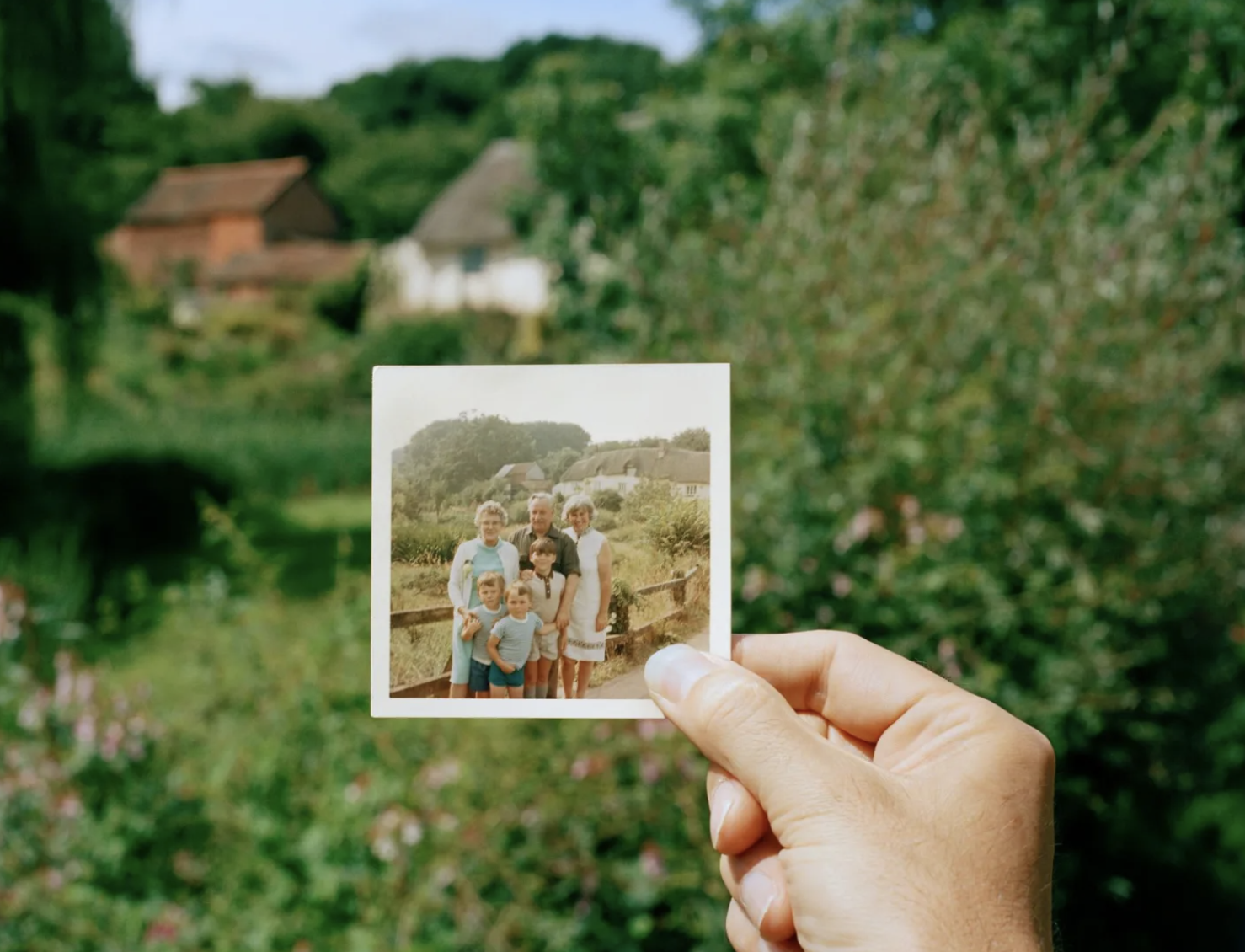
Every family develops patterns.
Families are systems.
Over time, we develop ways of communicating, handling conflict, expressing emotion, and responding to one another. We also take on roles — sometimes without realizing it.
You may be the responsible one. The peacekeeper. The person everyone worries about. The one who avoids conflict. The one who says what everyone else is thinking.
These roles often develop for a reason.
But as people and families change, the patterns that once helped everyone function may no longer work in the same way.
Family therapy helps us become curious about the pattern rather than deciding that one person is the problem.
When communication keeps breaking down
Sometimes families care deeply about one another but can't seem to have certain conversations without becoming defensive, angry, overwhelmed, or shutting down.
One person may feel unheard.
Another may feel criticized.
Someone else may try to keep everyone happy and eventually become exhausted or resentful.
The more each person tries to protect themselves or get their needs met, the more stuck the family can become.
Therapy gives us a chance to slow those interactions down and begin understanding what each person is experiencing underneath the conflict.
Families change as we change.
Family relationships aren't static.
Children become adults. Parents age. Someone gets married or becomes a parent. A family member becomes ill. People move away. Relationships end. Someone dies.
Each transition can change the roles people occupy within a family.
Sometimes these shifts happen naturally.
Other times, the family continues relating to one another according to roles that no longer fit.
Family therapy can help you navigate these changes while finding ways to remain connected without requiring everyone to stay the same.
Adult children and parents
Some of the most complicated family relationships are also the longest ones we've had.
As children become adults, both generations may need to renegotiate expectations, boundaries, closeness, independence, and the ways they communicate.
Adult children may be trying to create more space or change long-standing patterns.
Parents may be trying to understand a relationship that suddenly feels different.
Often, both sides care about the relationship while feeling hurt, misunderstood, or unsure how to move forward.
Family therapy can provide a space for these conversations to happen differently.
Grief can change an entire family.
When someone dies, every person in the family loses someone different.
One person loses a parent. Another loses a spouse. Someone else loses a sibling.
Each person may grieve differently, and those differences can sometimes create distance or conflict at exactly the time everyone expects the family to become closer.
Loss can also change family roles, traditions, responsibilities, and relationships.
Family therapy can create room for different experiences of grief while helping the family understand what has changed for everyone.
How we approach family therapy
At Hudson Valley Holistic Therapy, family therapy isn't about deciding who is right or identifying one person as the problem.
We look at what happens between people.
Our approach is relational, attachment-informed, and collaborative. We may explore communication patterns, family roles, boundaries, attachment, conflict, grief, expectations, and the experiences that have shaped how family members respond to one another.
The goal isn't to create a family that never disagrees.
It's to help family members understand themselves and one another more clearly, communicate more effectively, and develop relationships that have room to change.
Family therapy may be helpful if your family is...
Having the same conflicts repeatedly
Struggling to communicate without becoming defensive or shutting down
Navigating tension between parents and adult children
Adjusting to changing family roles
Working through boundaries or expectations
Experiencing grief or loss
Navigating illness or caregiving
Going through separation, divorce, remarriage, or changes in family structure
Struggling with sibling relationships
Feeling disconnected from one another
Navigating a major life transition
Trying to repair a relationship after a period of distance or conflict
You don't need to wait until a family relationship feels broken to ask for support.
Your family doesn't have to figure it out alone.
Sometimes changing a family pattern begins simply by having a different kind of conversation.
Therapy can give you a place to have it.
Family Therapy FAQs
-
Family therapy focuses on the relationships and patterns between family members. Sessions may explore communication, conflict, family roles, boundaries, attachment, grief, or a particular transition the family is navigating. The specific focus depends on what brings your family to therapy.
-
Not necessarily. Who participates depends on the concern, the relationships involved, and what would be most helpful clinically. Sometimes family therapy involves several family members, while other times the work may focus on two people within a larger family system.
-
Yes. Family therapy can be particularly helpful for adult children and parents who want to improve communication, understand long-standing patterns, navigate boundaries, or repair a relationship that has become strained or distant.
-
Yes. Adult siblings may come to therapy to address conflict, caregiving responsibilities, grief, family-of-origin patterns, boundaries, or changes in their relationship.
-
Yes. Grief affects the entire family system, but family members may experience and express their grief very differently. Therapy can help families communicate about the loss, understand one another's responses, and navigate the changes in roles and relationships that often follow a death.
-
No. Our approach focuses on understanding the patterns happening between family members rather than assigning blame to one person. Each person's experience matters, and the work involves becoming more curious about how everyone contributes to — and is affected by — the family dynamic.
-
Yes. Families often need to renegotiate boundaries as relationships and life circumstances change. Therapy can help family members talk more openly about expectations, independence, closeness, caregiving, privacy, and what each person needs from the relationship.
-
Yes. Hudson Valley Holistic Therapy offers in-person family therapy in Rhinebeck, NY, as well as virtual family therapy for clients throughout New York and New Jersey.